
THE PARLIAMENTARY & SCIENTIFIC COMMITTEE — EST. 1939
SCIENCEINPARLIAMENT

News

News items, reports and updates from the Parliamentary and Scientific Committee.

POLICY

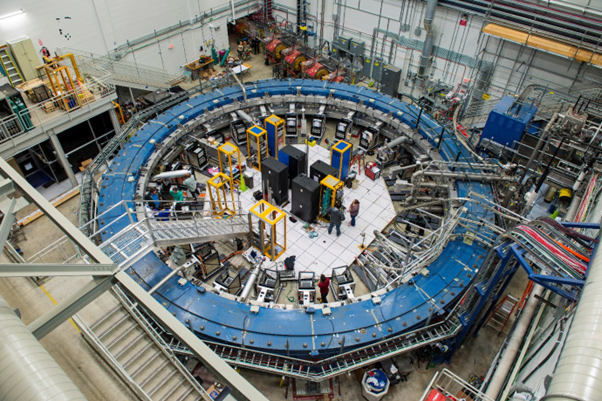
Muon g-2 Experiment Honoured with Prestigious Breakthrough Prize in Fundamental Physics

The Muon g-2 experiment has earned the Breakthrough Prize in Fundamental Physics, spotlighting intriguing evidence that could challenge the Standard Model and open the door to new physics.

HEALTH

Academy of Medical Sciences Backs Early-Career Researchers with New Support Initiatives

The Academy of Medical Sciences is strengthening support for early-career researchers, calling for reforms to funding, mentorship, and career stability to safeguard the future of UK biomedical research.

SCIENCE IN PARLIAMENT

Science in Parliament Spring 2026

View online version

POLICY

Why Asking Better Questions Can Improve AI Chatbot Answers

New research reveals that how you phrase a question to AI can shape the answer you get—offering a simple technique to reduce bias and improve accuracy.

POLICY

£50m UKRI Safer Streets Programme Targets Knife Crime, VAWG, and Public Trust with AI and Community-Led Innovation

A £50m UKRI initiative will harness AI, community insight, and cutting-edge research to tackle knife crime, violence against women and girls, and rebuild trust in policing across the UK.

HEALTH

Edinburgh Strengthens Global Scientific Collaboration Through Strategic City Partnerships

Edinburgh is deepening its global scientific partnerships, using city-level collaboration to drive innovation, tackle shared challenges, and boost economic and research impact worldwide.

OCEAN SCIENCE

Mersey Maritime Launch Signals New Era for Liverpool’s Maritime Innovation

A new Mersey Maritime initiative from LJMU aims to drive innovation, sustainability, and skills development—positioning Liverpool at the forefront of the UK’s evolving maritime sector.

ENVIRONMENT

Transforming Meteorology Training: University of Plymouth and Met Office Respond to a Changing Climate

A new partnership between the University of Plymouth and the Met Office is redefining how meteorologists are trained—preparing a new generation to tackle climate change and extreme weather with cutting-edge tools and real-world expertise.

AI

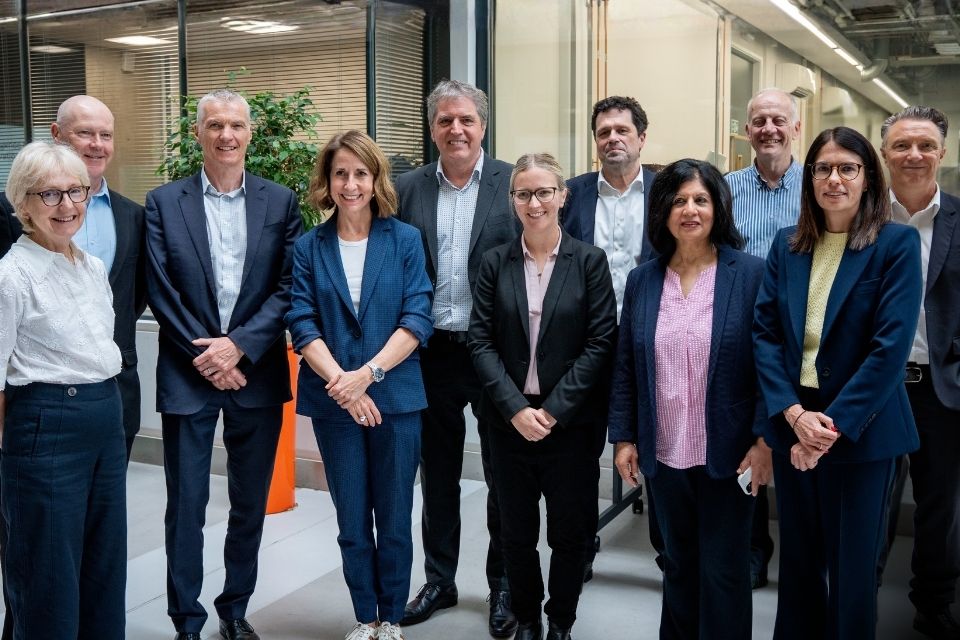
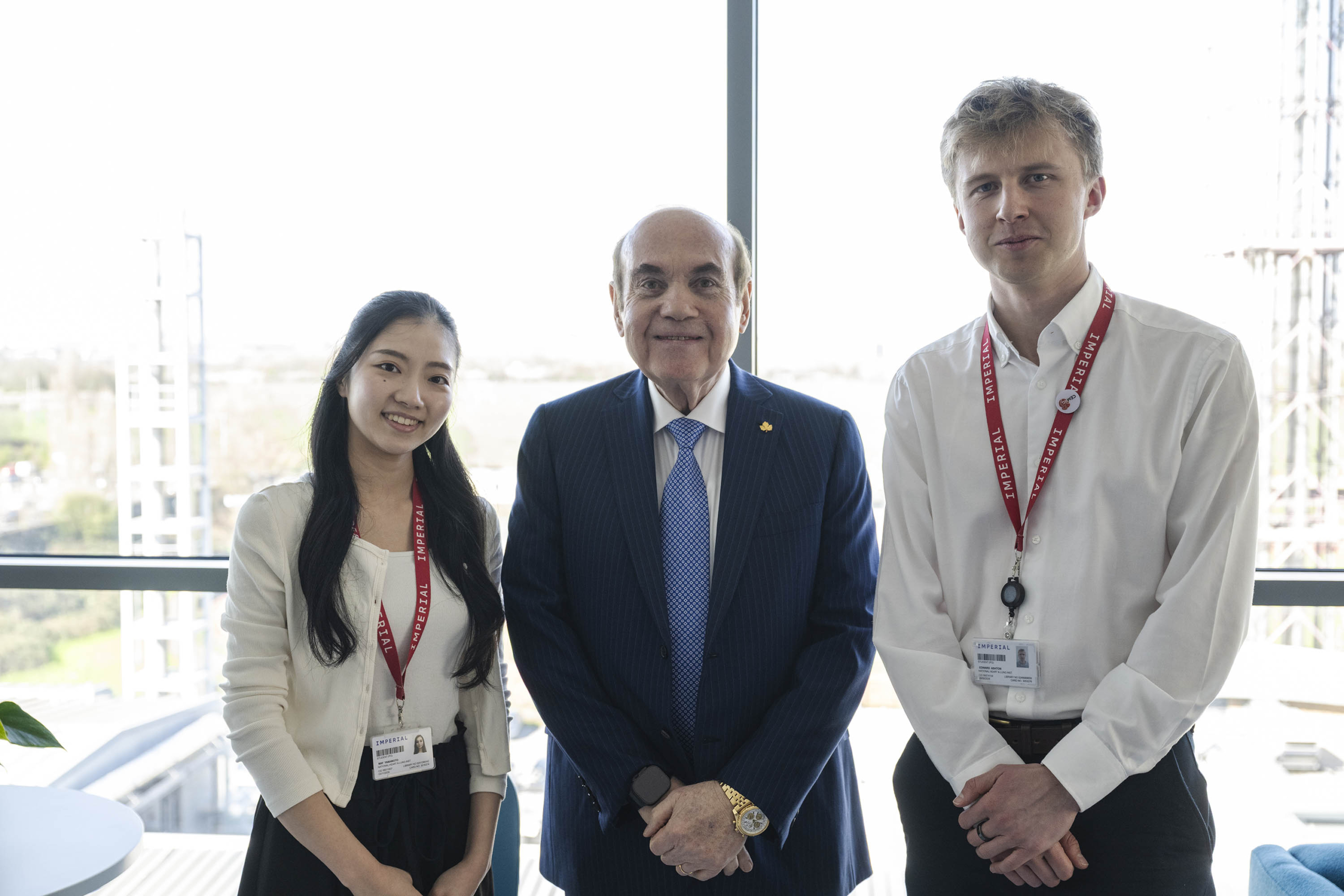
University of Liverpool Showcases AI-Driven Materials Innovation During UKRI CEO Visit

The University of Liverpool highlights how AI is revolutionising materials science, showcasing breakthroughs in faster discovery and sustainable innovation during a high-profile UKRI visit.

OCEAN SCIENCE

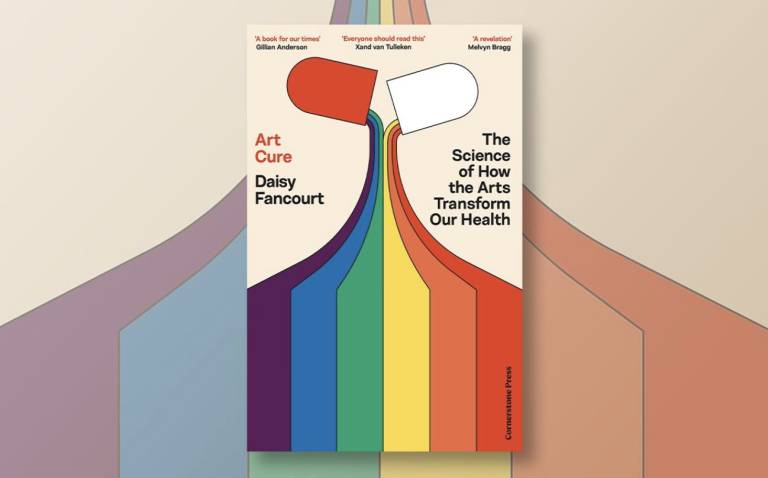
UCL Professor Shortlisted for Prestigious Women’s Prize for Non-Fiction

A UCL professor’s shortlisting for the Women’s Prize for Non-Fiction spotlights the growing influence of academic research in shaping public debate and advancing evidence-based storytelling.

HEALTH

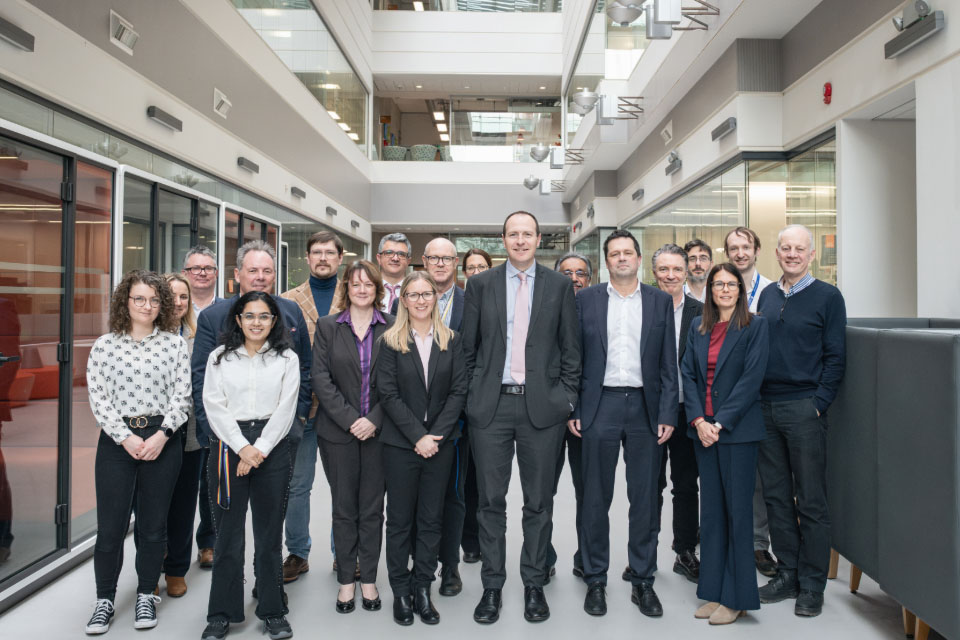
Opening of the Dahdaleh Building Signals a New Era in Heart and Lung Innovation

A groundbreaking new research facility at Imperial College London is set to transform heart and lung medicine through collaboration, innovation, and cutting-edge technology.

EMERGING TECH

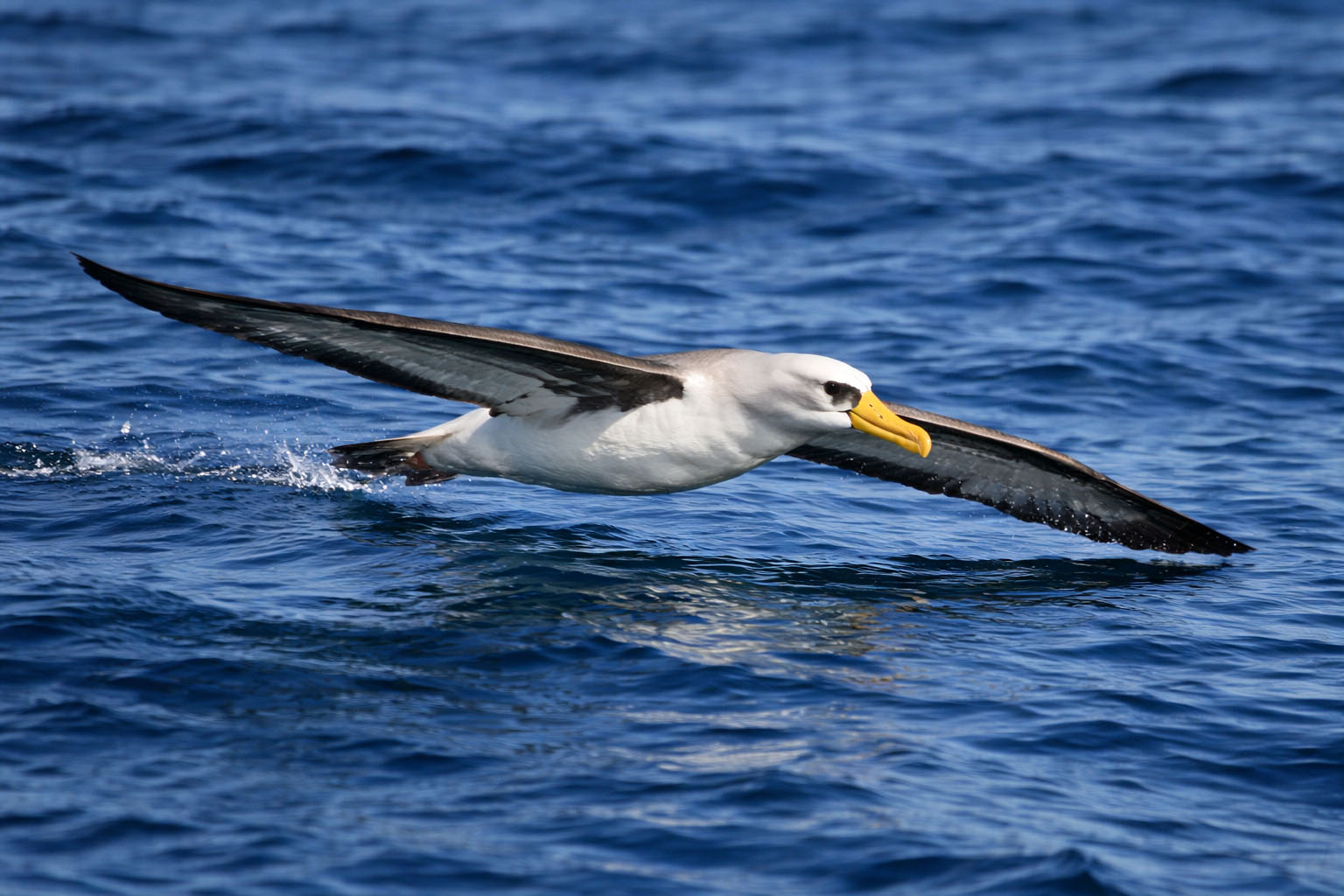
Seabirds Inspire Breakthrough in GPS-Free Navigation Technology

Seabirds navigating thousands of miles without GPS are inspiring a new wave of resilient navigation technology, offering solutions to modern vulnerabilities in satellite-based systems.

HEALTH

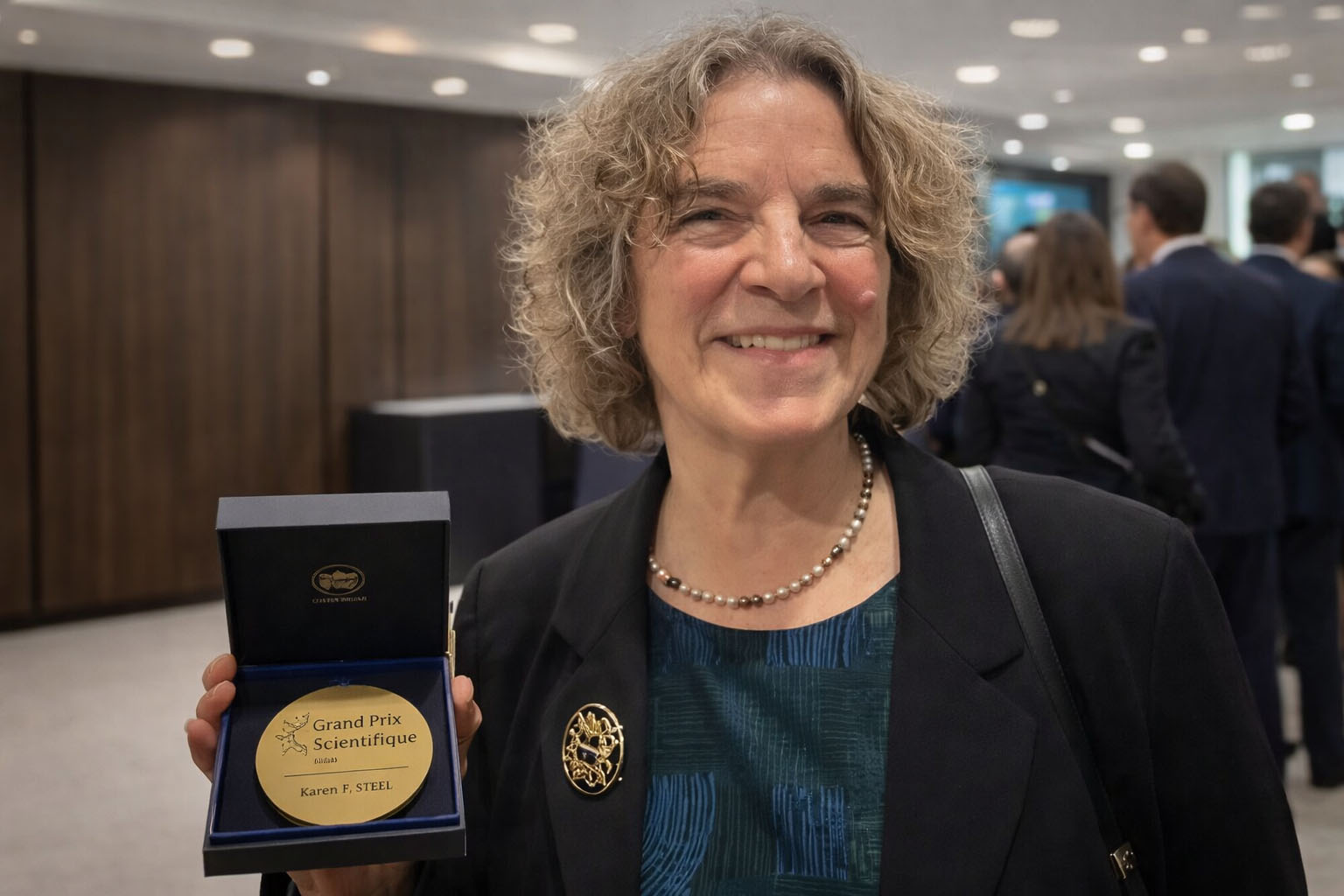
Professor Karen Steel Honoured with Prestigious Grand Scientific Prize for Hearing Research

Professor Karen Steel receives a major international award for her groundbreaking research into the genetics of hearing loss, marking a significant milestone in auditory science.

HEALTH

Global Experts Convene at Imperial to Tackle Ultra-Processed Food Crisis

Global experts gathered at Imperial College London to confront the rising health risks of ultra-processed foods, calling for urgent policy action and systemic food reform.

EDUCATION

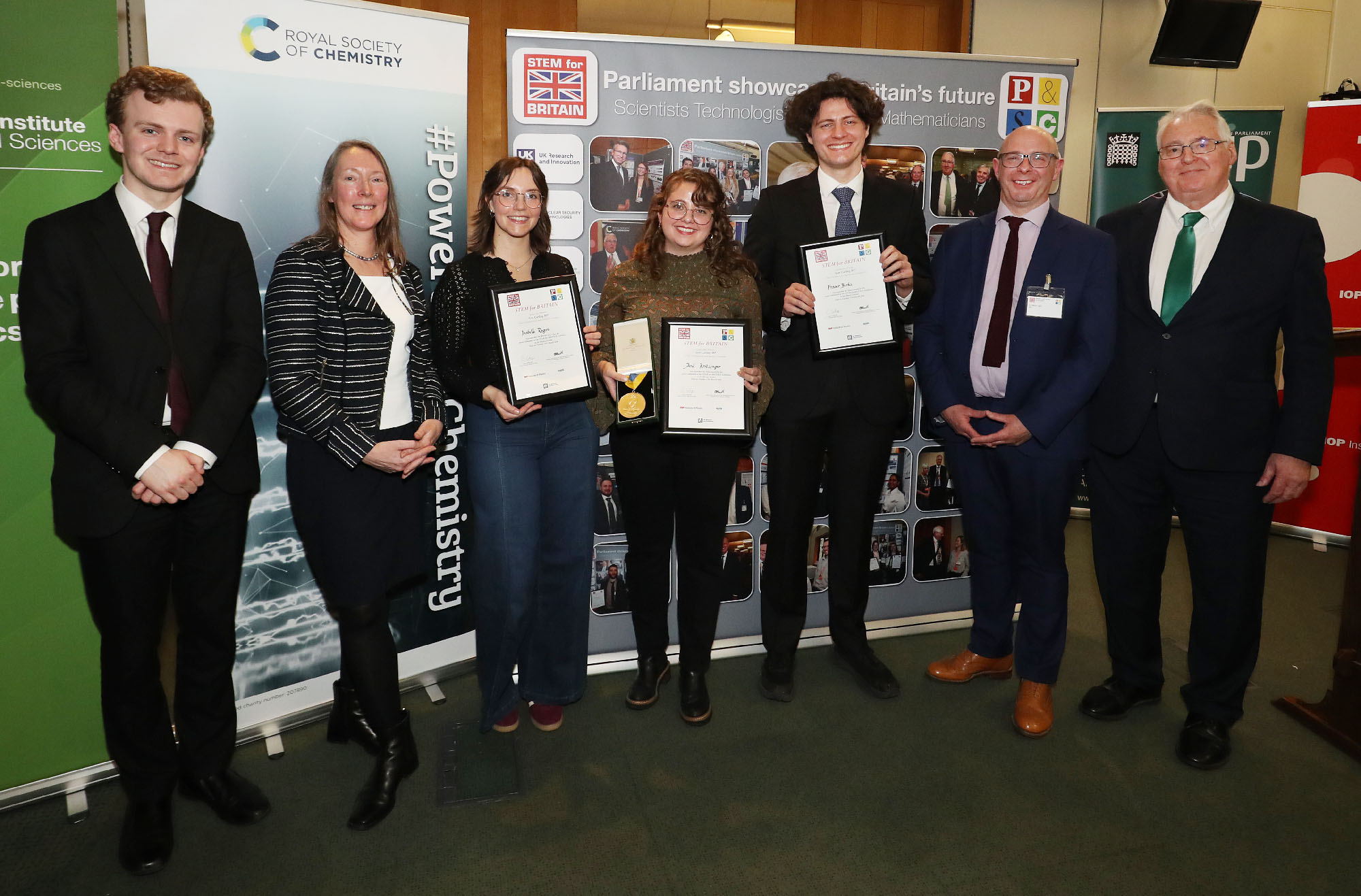
STEM for Britain 2026 Celebrates Emerging Talent – Spotlight on Westminster Medal Winner Ané Kritzinger

The UK’s brightest early-career researchers took centre stage at STEM for Britain 2026, with groundbreaking ideas on display in Parliament. Among them, Ané Kritzinger’s award-winning work on detecting toxic methanol in sealed bottles captured top honours.

NUCLEAR

Standardised Radioactive Waste Containers Set to Transform UK Nuclear Decommissioning

A new UK initiative to standardise radioactive waste containers promises safer storage, lower costs, and a more efficient long-term approach to nuclear decommissioning.

EMERGING TECH

Unlocking the Potential of Metamaterials: A Strategic Opportunity for UK Innovation

A new report highlights how metamaterials could drive UK innovation, economic growth, and technological leadership—if backed by coordinated policy action.

EMERGING TECH

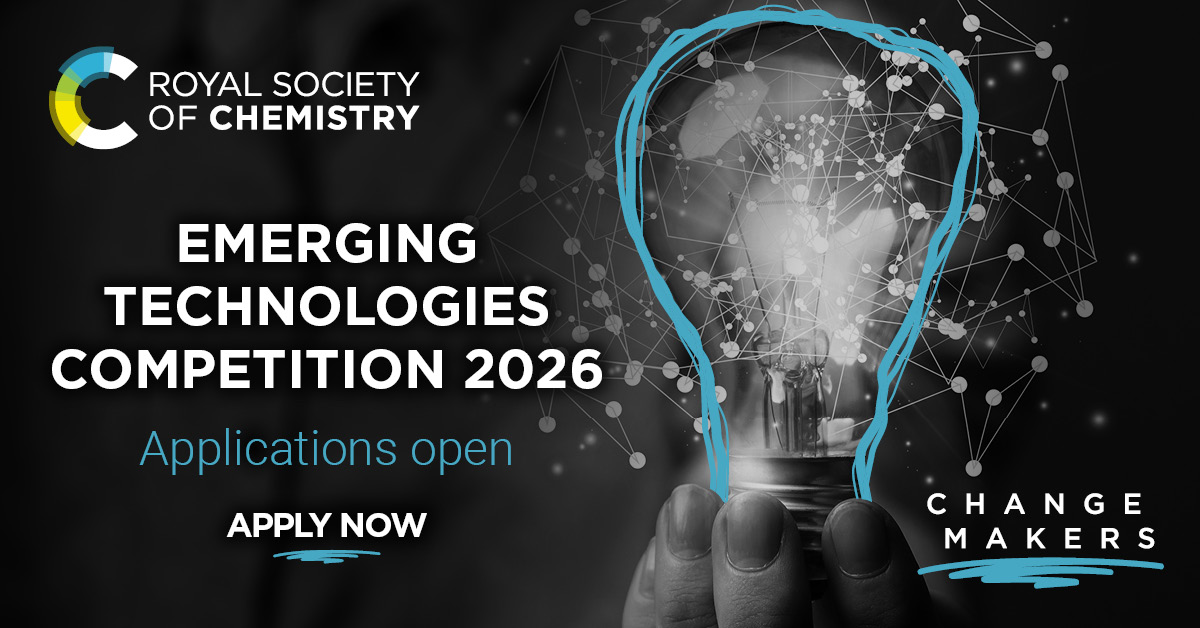
Royal Society of Chemistry Launches £50,000 Emerging Technologies Competition 2026

Applications are now open for the Royal Society of Chemistry’s Emerging Technologies Competition 2026, offering a £50,000 prize fund and expert industry support to accelerate chemistry-led solutions in energy, health, environment and enabling technologies.

ENVIRONMENT

Improving Soil Health in the UK: A Unified, Science-Led Policy Framework

Healthy soil underpins food security, biodiversity, and climate resilience. A new policy report calls for a unified UK-wide definition of soil health, improved biological monitoring tools, and stronger collaboration to secure the future of our land.

ENERGY

UK’s First Green Ammonia Plant Prototype Launches to Tackle Clean Energy Storage

A pioneering green ammonia prototype plant has gone live in the UK, offering a breakthrough method to store and release renewable energy without carbon emissions. The facility marks a key milestone in clean energy technology and could help balance the UK’s future power grid.

SCIENCE IN PARLIAMENT

Science in Parliament Winter 2025

View online version

OCEAN SCIENCE

Navigating the Future: NOC’s 2025–2035 Strategy for Ocean Science and Innovation

The National Oceanography Centre’s bold new strategy for 2025–2035 charts a decade of innovation in marine science and technology. Discover how NOC plans to drive ocean discovery, climate resilience, and sustainable maritime growth on a global scale.

ENVIRONMENT

Mathematics and Sustainability: Reflections on the First IMA Climate-Focused Meeting

The IMA’s first meeting on “Mathematics for Climate, Environment and Sustainability” brought together experts from academia, industry and government to discuss the pivotal role of mathematics in tackling global environmental challenges. Read the full event summary and access the official report and

EMERGING TECH

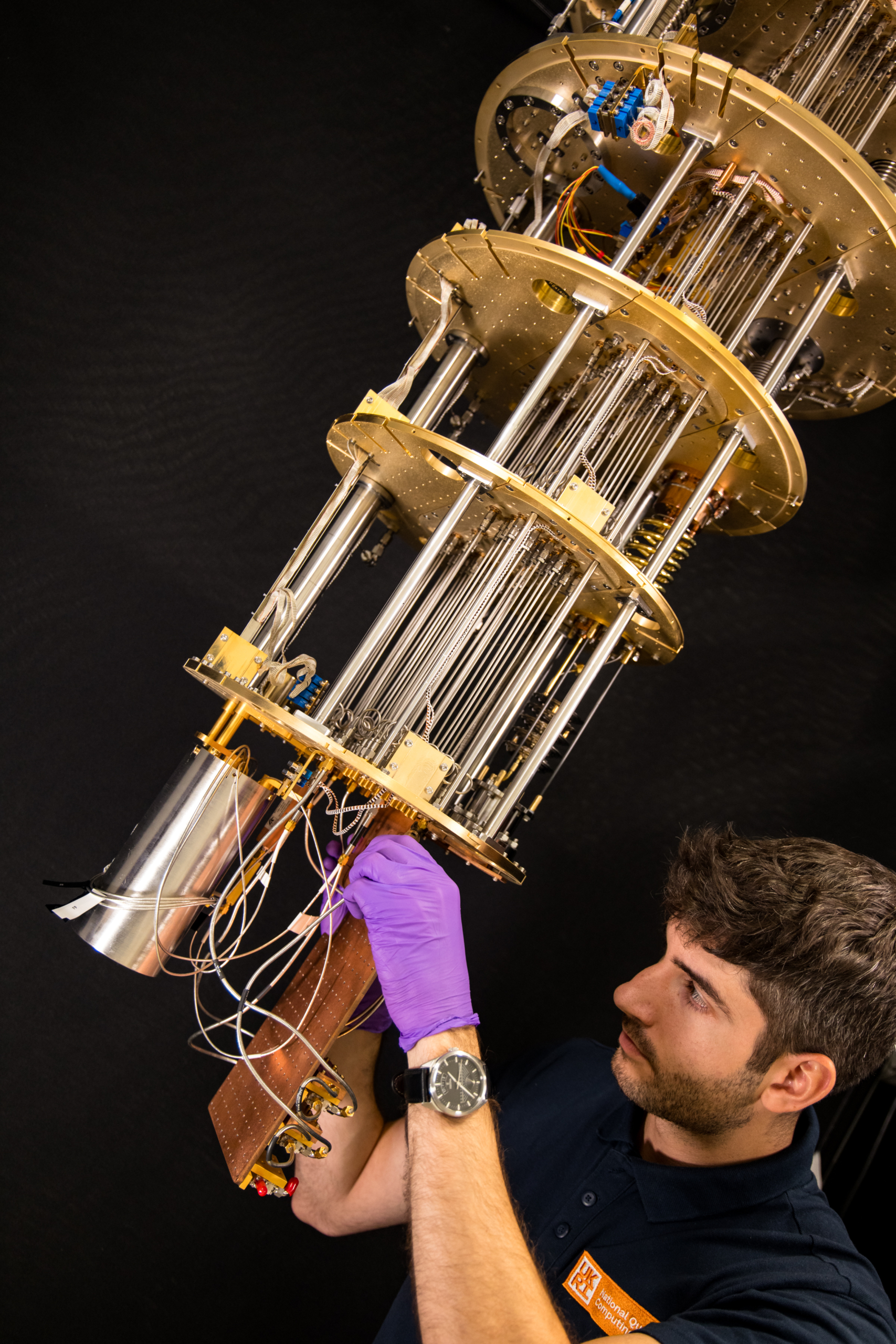
Harwell Quantum Cluster: Powering the UK’s Quantum Leap

The Harwell Quantum Cluster is transforming the UK’s quantum capabilities from cutting-edge research into real-world impact. With major investment partnerships and a robust national infrastructure, Harwell is where science meets scale—and the UK meets its quantum future.

HEALTH

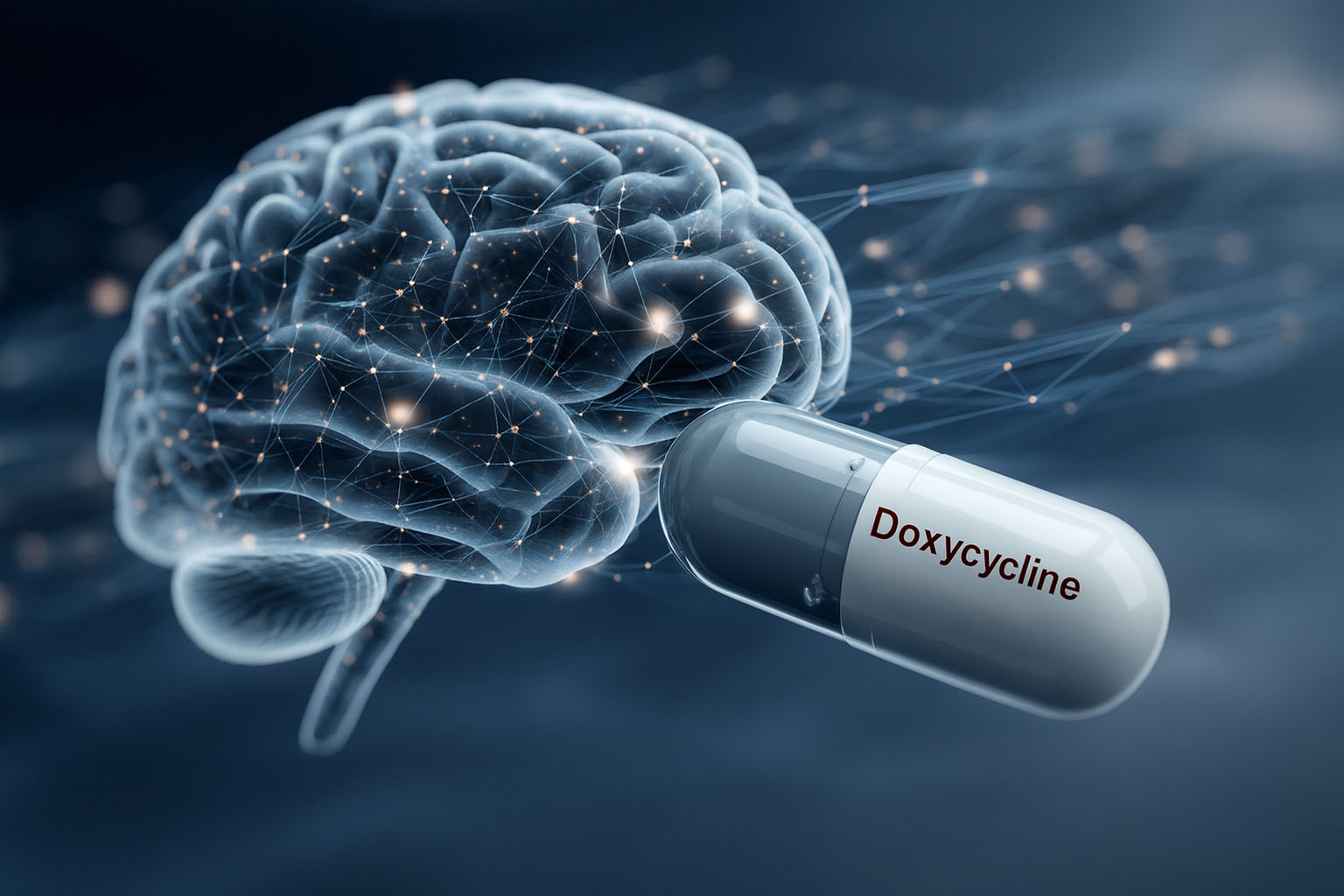
Common Antibiotic Linked to Lower Schizophrenia Risk in Adolescents, Study Finds

A commonly used antibiotic, doxycycline, could reduce the risk of schizophrenia in adolescents, a new study reveals. The research opens promising possibilities for repurposing existing medications to prevent severe mental illness.

HEALTH

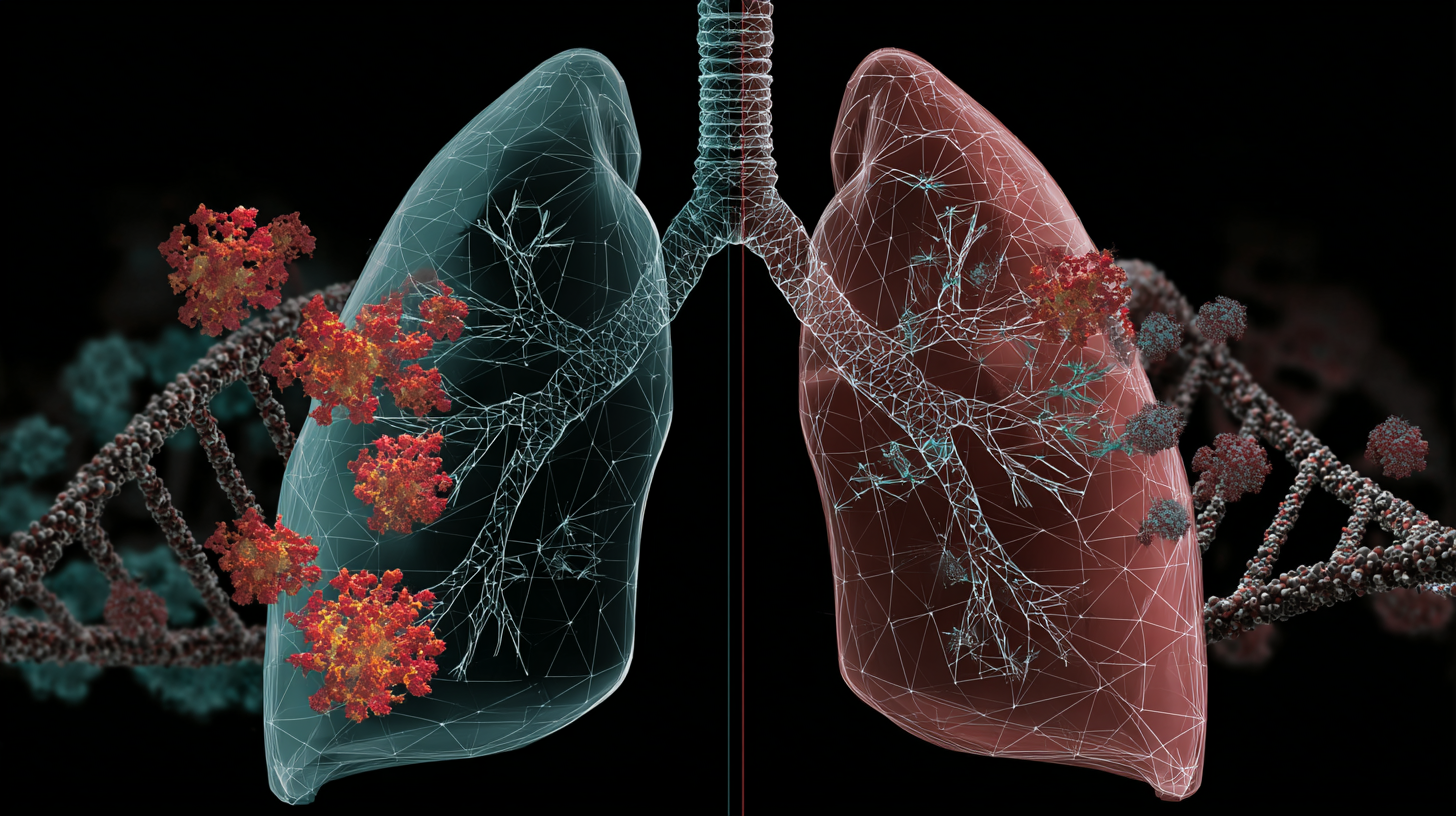
ARDS Survivors Face Long-Term Immune Dysfunction: Hypoxia Reprograms Neutrophils for Months

New research reveals that surviving ARDS comes with a hidden cost: months of weakened immune function caused by oxygen deprivation that physically alters infection-fighting cells. This discovery could transform how we care for critically ill patients during recovery.

SCIENCE IN PARLIAMENT

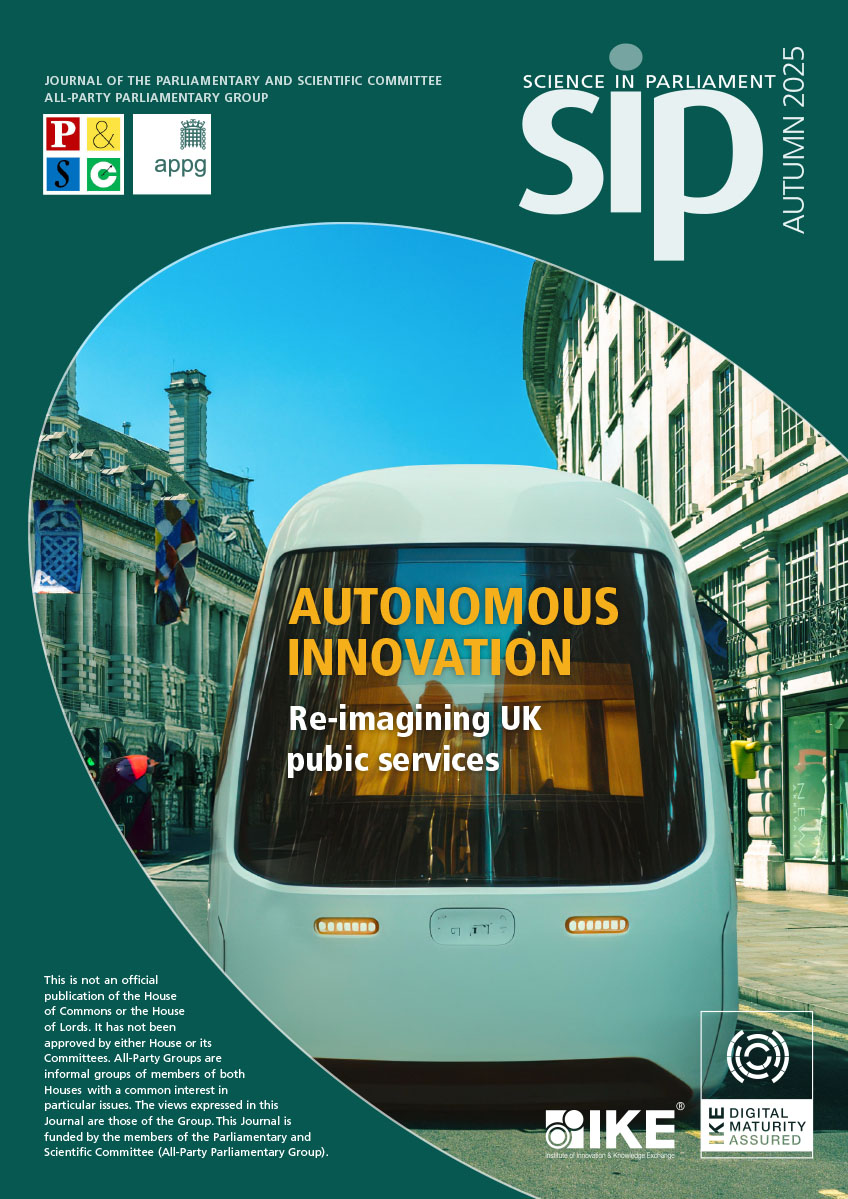
Science in Parliament Autumn 2025

View online version

NUCLEAR

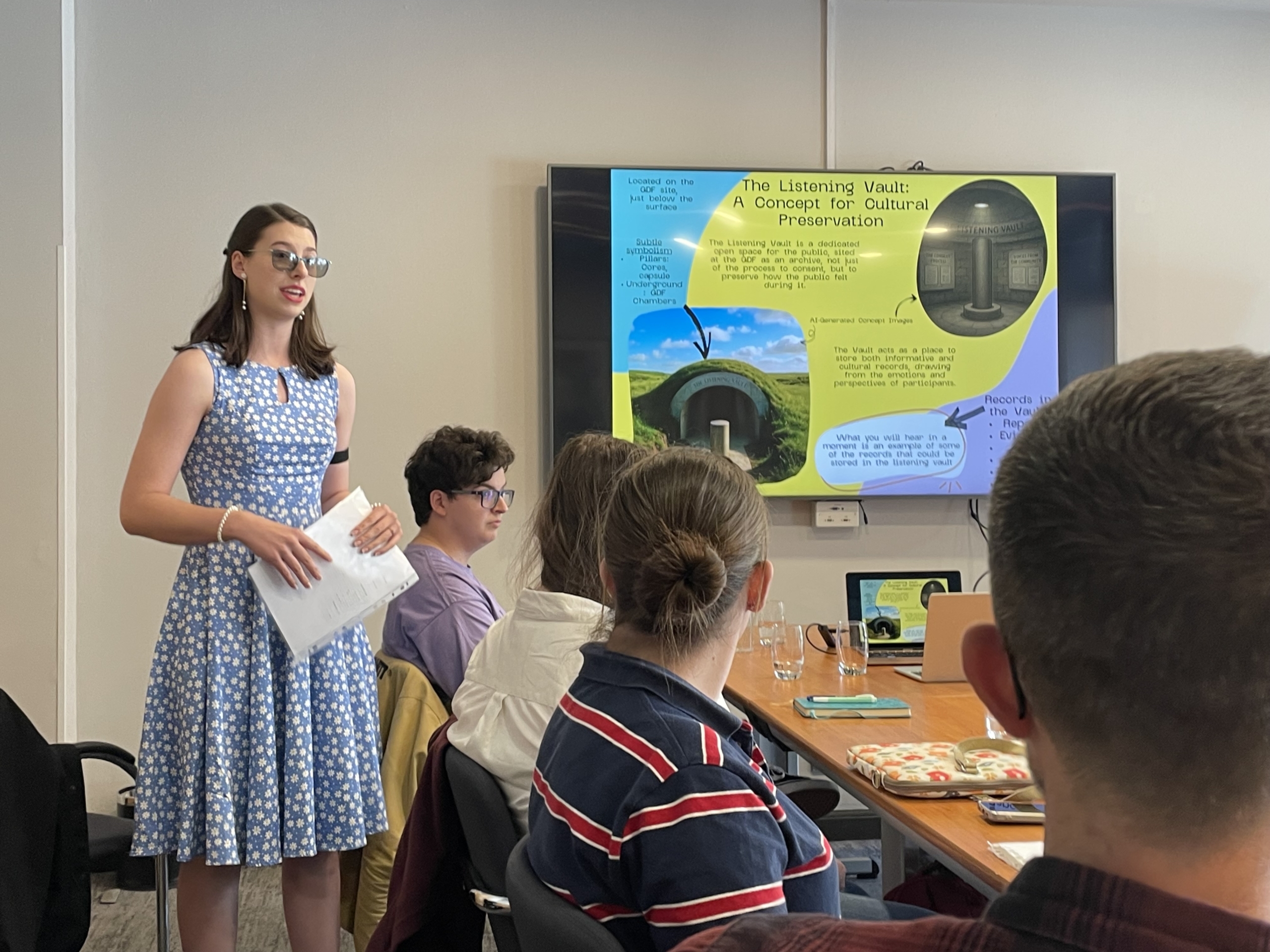
Youth Voices Shape Future of UK’s Nuclear Waste Management

How do young people feel about the UK’s nuclear waste plans? A groundbreaking Youth Forum has brought fresh voices to the table, challenging assumptions and helping shape a safer, more inclusive approach to radioactive waste disposal.

ENVIRONMENT

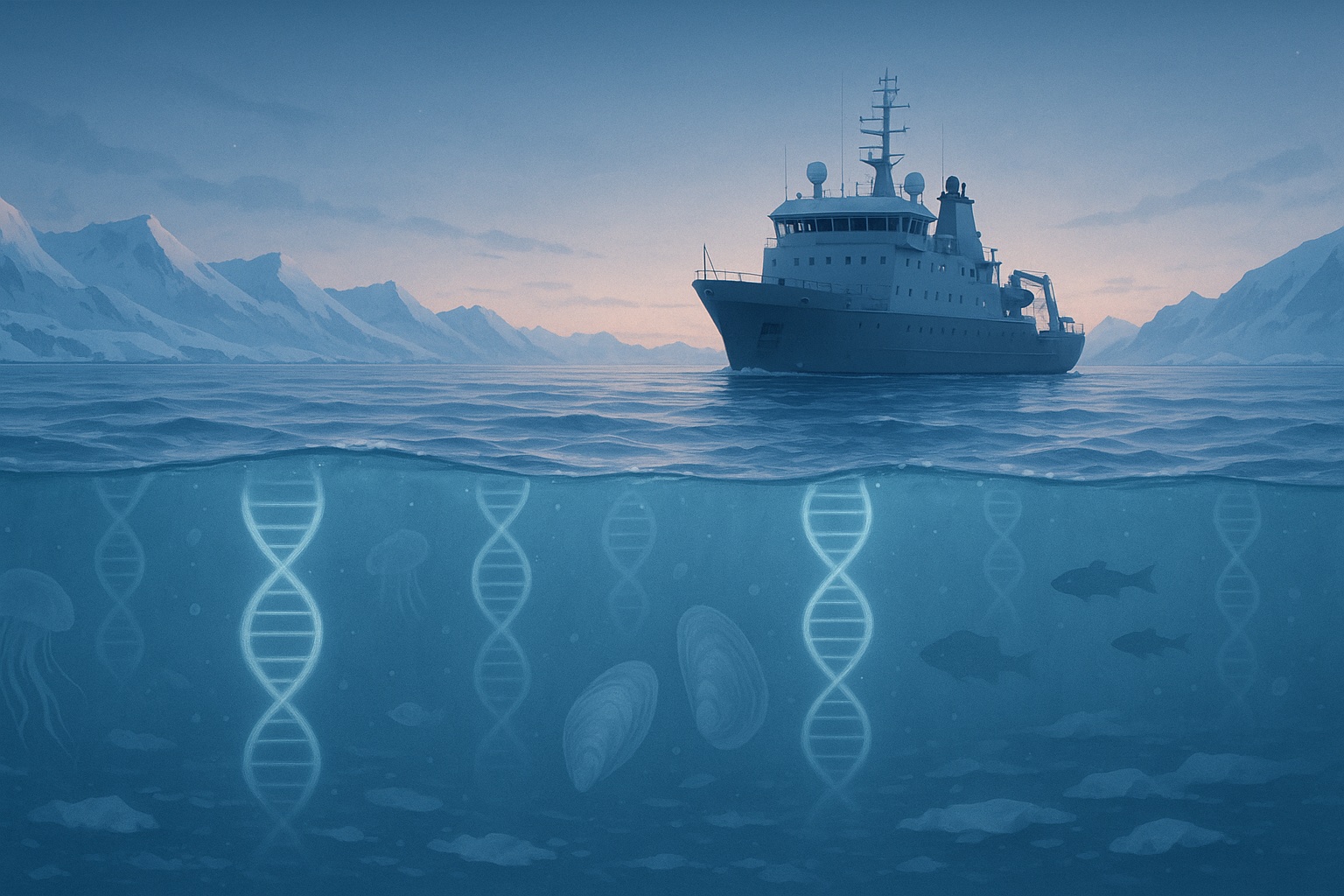
Cruising for Clues: Tracking Arctic Invasive Species with eDNA

Scientists aboard a research cruise in the Arctic are using cutting-edge eDNA technology to detect invasive species before they take hold. As shipping and tourism increase in the region, this early-warning approach could be vital for protecting fragile polar ecosystems

HEALTH

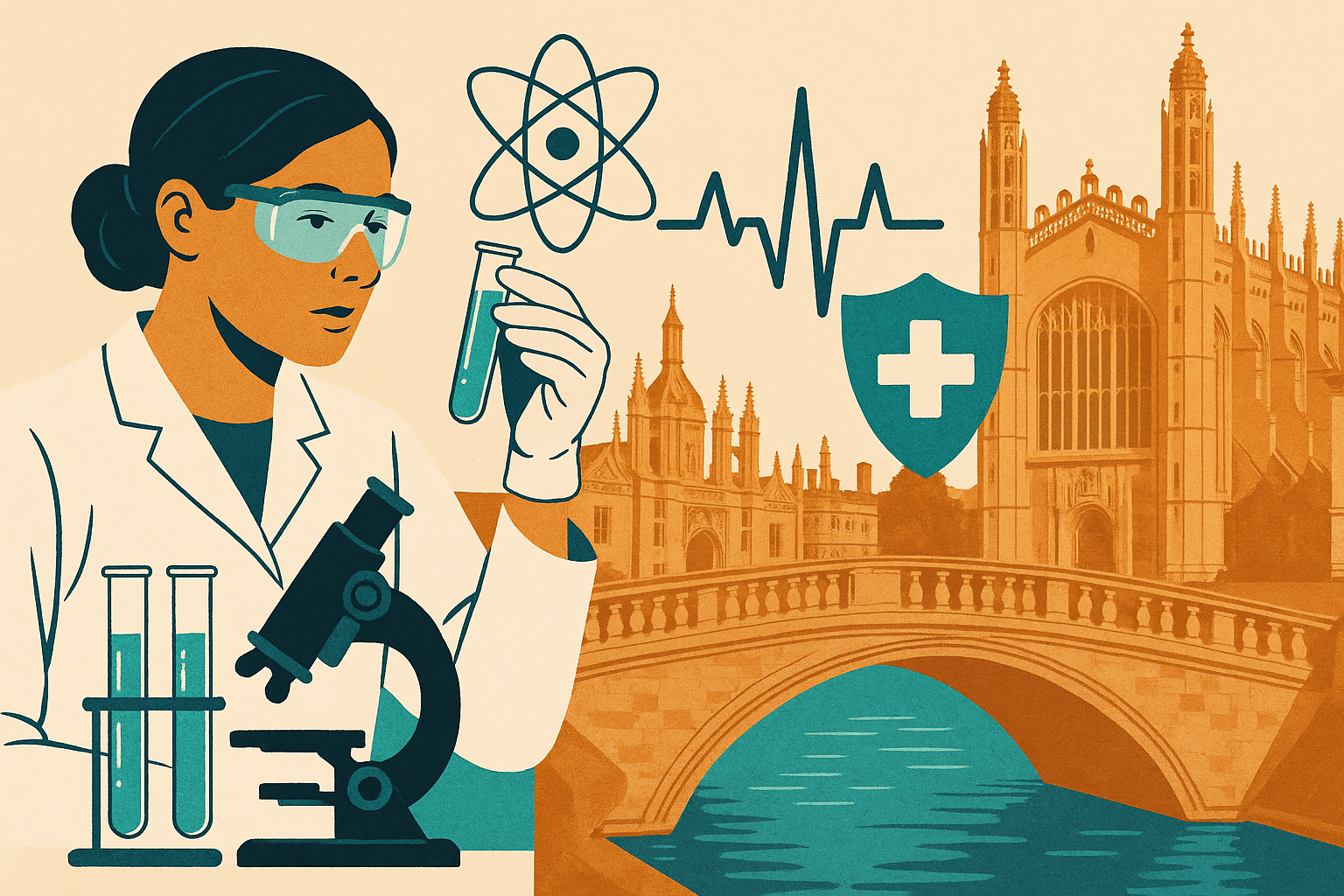
A Decade of Discovery: Celebrating the Cambridge–AstraZeneca Life Sciences Partnership

AstraZeneca and the University of Cambridge celebrate a decade of collaboration, transforming scientific breakthroughs into real-world patient care. Their partnership showcases the power of academia-industry synergy in securing the UK’s global leadership in life sciences.

POLICY

Championing Equity in STEM: Royal Society of Chemistry’s Inclusion and Diversity Fund

The Royal Society of Chemistry is funding grassroots and institutional efforts to make chemistry more inclusive. Their Inclusion and Diversity Fund offers up to £5,000 per project to support initiatives that dismantle barriers in STEM.

ENVIRONMENT

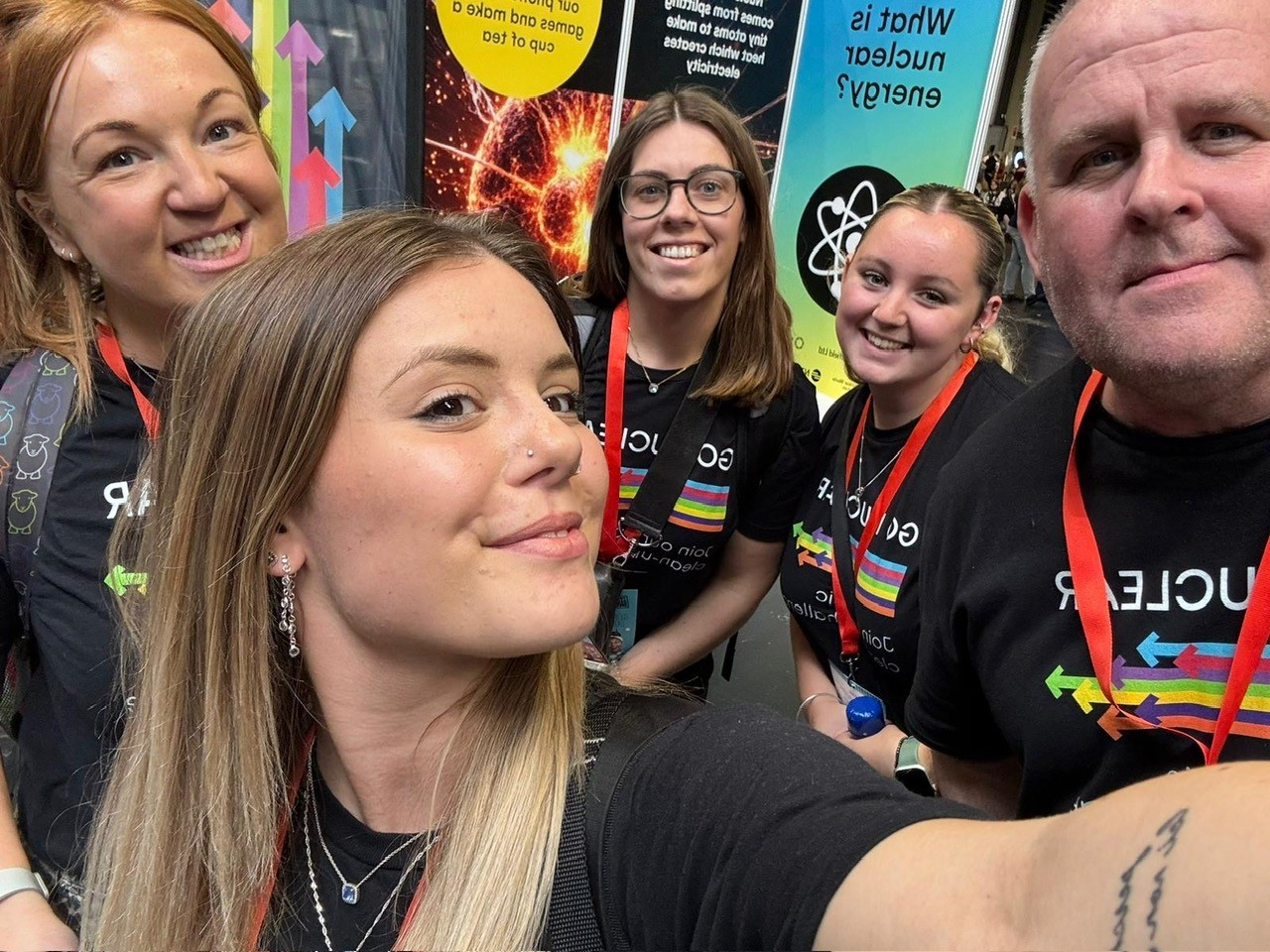
Inspiring Futures: NWS Champions STEM Engagement for the Next Generation

Nuclear Waste Services is inspiring the next generation through nationwide STEM outreach—combining hands-on learning, career support, and professional mentorship to connect young people with opportunities in science, engineering, and nuclear sustainability.

SCIENCE IN PARLIAMENT

Science in Parliament Summer 2025

View online version

OCEAN SCIENCE

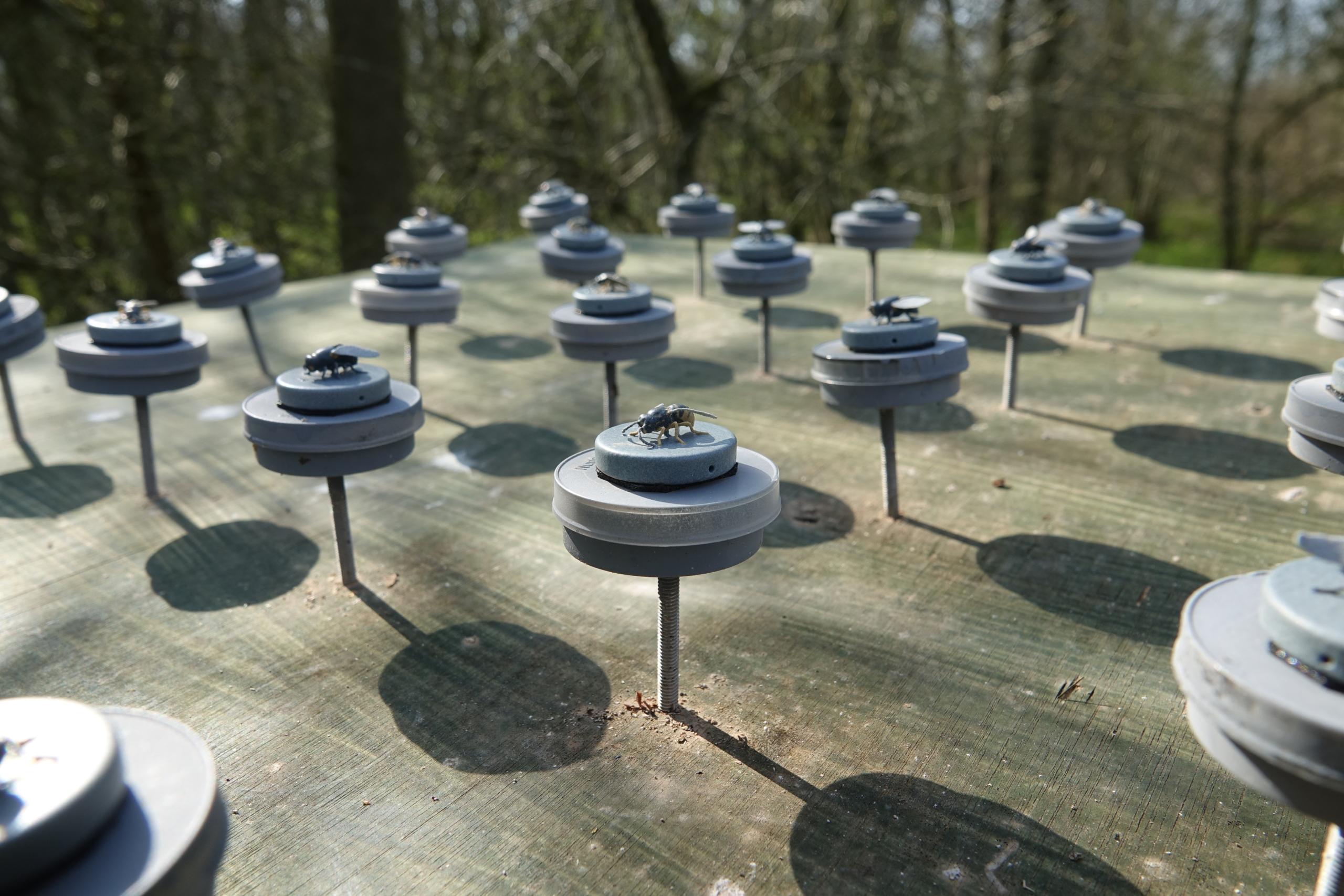
The imitation game – why are some species better at fooling predators than others?

Why do some insects mimic dangerous species almost perfectly, while others barely resemble them? A new study using 3D-printed insect models sheds light on the evolutionary mysteries of mimicry, revealing how predators shape what nature lets get away with.

ENVIRONMENT

Transforming Research Culture: University of Liverpool’s Project Sparks Team-Based Innovation

The University of Liverpool is redefining how research is done—by funding innovative, team-led projects that promote collaboration over competition. Discover how this pioneering initiative is reshaping academic culture and what it means for the future of research.

POLICY

Celebrating 20 Years of Mathematical Excellence at the Heilbronn Institute

In 2025, the Heilbronn Institute for Mathematical Research celebrates 20 years of groundbreaking work at the crossroads of pure mathematics and national security. Discover how this unique partnership has shaped the UK’s research landscape.
ENGINEERING

Professor Laura Harkness Appointed Pro-Vice-Chancellor of Science and Engineering at University of Liverpool

The University of Liverpool names Professor Laura Harkness as Pro-Vice-Chancellor for Science and Engineering—recognising her leadership in physics research and her commitment to academic excellence.

POLICY

A Stronger and Safer United Kingdom Through Global Health R&D Investment

Strategic investment in global health R&D offers the UK a powerful tool to strengthen its health security, bolster its economy, and lead globally in innovation. This new report outlines the critical steps needed to position the UK as a global health science superpower.

HEALTH

Professor Narender Ramnani Appointed President of the British Neuroscience Association

Professor Narender Ramnani, a leading voice in cognitive neuroscience, steps into the role of BNA President, aiming to champion research integrity, education, and public engagement in brain science.

ENVIRONMENT

NWS Honoured for Leading Sustainability Culture at UK Nuclear Skills Awards

Nuclear Waste Services (NWS) has been recognised with a Special Recognition Award at the UK Nuclear Skills Awards 2025 for embedding sustainability throughout its organisation. From environmental volunteering to carbon-saving travel tools, the NWS approach highlights how systemic culture change can

SCIENCE IN PARLIAMENT

Science in Parliament Spring 2025

View online version

POLICY

Bridging Research and Reality: The UK’s Quantum Leap and Infrastructure Transformation

How can the UK overcome barriers to delivering world-class infrastructure and scale quantum innovation beyond the lab? The latest FST Journal explores the formation of NISTA, the UK’s new infrastructure authority, and outlines the strategic shifts needed to make quantum technologies commercially via

EDUCATION

Inspiring Future Careers: NWS Hosts Leadership Programme for Young People in Cumbria

Nuclear Waste Services recently hosted five students as part of the Dream Placement programme, offering young people in Cumbria a week of immersive leadership and career exploration. With hands-on experience across multiple departments and a real-world project linking nuclear work with education, th

EDUCATION

Celebrating the Future of UK Innovation: STEM for Britain 2025 Finals at Portcullis House

STEM for Britain 2025 brings the nation’s most promising early-career researchers to Parliament, showcasing cutting-edge work in science, technology, engineering, and maths. As policymakers and industry leaders engage with these bright minds, the event highlights the vital role of research in shapin

EMERGING TECH

UK Unveils New Vision for Global Science and Technology Leadership

The UK has refreshed its global science and technology strategy to bolster international collaboration and maintain its leadership in innovation. Under the “Science and Technology Framework – International”, the UK aims to drive breakthroughs in AI, quantum computing, and space explorati

EMERGING TECH

Professor Sir Ian Chapman Appointed as UKRI CEO, Prioritizing Economic Growth

Professor Sir Ian Chapman has been appointed as the next CEO of UK Research and Innovation (UKRI), with a strong focus on driving economic growth through research and innovation. His leadership will strengthen industry-academia partnerships, foster technological advancements, and position the UK as

POLICY

The Role of AI in Healthcare: Opportunities, Challenges, and Policy Considerations

AI is revolutionising healthcare, offering new possibilities in diagnostics and patient care. However, challenges such as data security, algorithmic bias, and regulatory oversight must be addressed. How can policymakers ensure AI enhances healthcare while safeguarding patient rights?

SPACE

UK’s First Space Weather Neutron Monitor in 40 Years Installed in Cornwall

The UK has installed its first neutron monitor for space weather tracking in 40 years, a cutting-edge system designed by Lancaster University. Located at the Met Office in Cornwall, this new instrument enhances global efforts to detect and forecast solar radiation storms that can disrupt modern infr

SCIENCE IN PARLIAMENT

Science in Parliament Winter 2024

View online version

OCEAN SCIENCE

Interdisciplinary Science and Climate Action – Insights from Prof. Chris Rapley

Discover how interdisciplinary science reshapes our understanding of Earth’s systems and drives meaningful climate action. Professor Chris Rapley shares lessons from his pioneering career in bridging disciplines and breaking barriers.